
Blue Gemstone Necklaces: Popular Blue Stones and Their Beauty
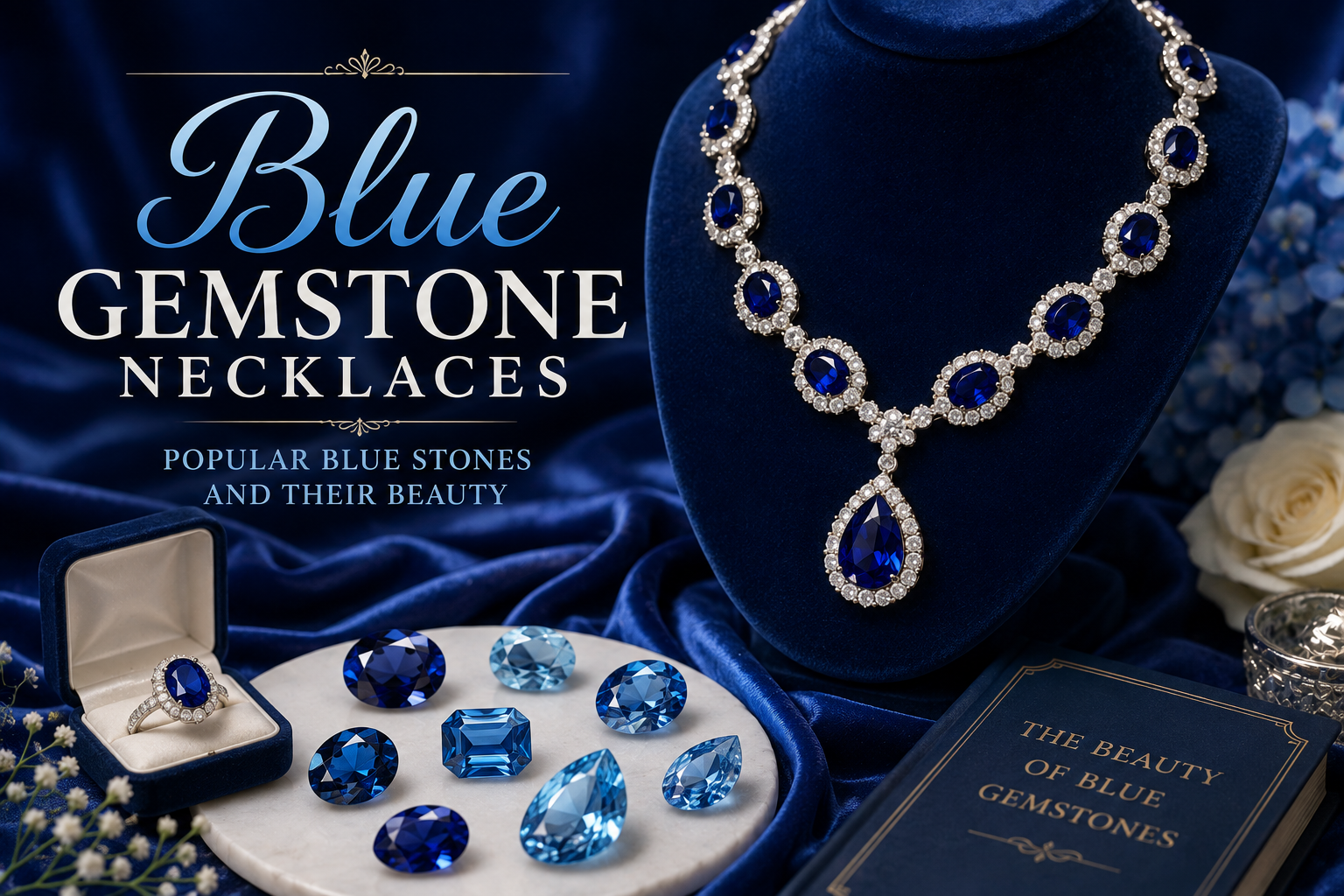
Blue gemstones are royalty. If you’re thinking about getting a blue gemstone necklace, you’re onto something. This whole category of jewelry just works. We’ll cover what makes them special, which ones are actually worth your money, and how to pick something you’ll actually love wearing.
There’s something about blue. It’s been prized forever, literally thousands of years. Egyptian royalty wore it. Rich collectors still hunt for it. And nowadays, more people are catching on that you can get stunning blue gemstone jewelry without bankrupting yourself.
What You Should Know About Blue Stones for Jewelry
Blue stones for jewelry are way more diverse than most people realize. Each type looks totally different. Feels different too.
Sapphire is the main one. Everyone knows sapphires are blue, right? But they’re not all the same blue. You get everything from pale sky blue to nearly black blue. Some have this cool star effect, seriously, a star shape shows up in the stone when light hits it right. That’s an asterism and it’s wild. Ceylon sapphires from Sri Lanka? Those are legendary. Honestly, they cost insane amounts. But Thai sapphires? Australian ones? They’re absolutely stunning and way more affordable.
Aquamarine is different. Lighter. Airier. The color looks like ocean water, blue-green sometimes, pale blue other times. What’s nice? You mostly get natural color with aquamarine. No weird treatments. It’s durable enough for everyday wear but feels more delicate than sapphire.
Blue Topaz is the budget play. The treated versions, Swiss Blue, London Blue, Sky Blue, they’re intense. Bright. Some people find them almost too bright but if you want that pop of color? Topaz delivers. Enhanced blue topaz looks amazing for the price.
Tanzanite is exclusive. It only comes from Tanzania. Ranges from light purple-blue to deep violet depending on angles. Beautiful but softer. Not great if you’re rough with jewelry. Perfect for special occasion pieces though.
Blue Tourmaline and Iolite are getting more attention lately. Tourmaline goes deep blue. Iolite’s similar to sapphire but cheaper. Both work great in blue gemstone jewelry if you want something less obvious than sapphire.
Picking Your Blue Stone Necklace
So you want a blue stone necklace. What actually works?
The single pendant is timeless. One sapphire or aquamarine on a chain. Super clean. You can wear it anywhere, office, dinner, layered with other stuff. The stone does all the talking.
Statement pieces are bold. Bigger stones. Intricate settings with smaller gems around it. These demand attention. Perfect if you want something that makes people ask “where’d you get that?”
Layering is huge right now. Multiple blue stone necklace pieces at different lengths. Mix metals, it looks cool. Pair different stones, sapphire with aquamarine, for instance. Creates depth.
Metal matters. Yellow gold brings a vintage feel. White gold or platinum? Super modern. Rose gold is contemporary. Your skin tone helps but honestly all metals look good with blue.
The Real Talk About Blue Gemstone Jewelry Quality
Investing in blue gemstone jewelry means knowing what matters.
Color is huge. The best sapphires are pure blue, no weird purple or green tint. Aquamarine glows when it’s medium-toned. Too pale? Looks washed out. Too dark? It looks dull. Topaz varies by type and that’s fine.
Clarity. You want to see through it. Tiny inclusions are normal and actually prove it’s real. But you shouldn’t see them without a loupe. Some stones like tanzanite naturally have visible stuff, that’s just how they are.
The cut. This is where craftsmanship shows. Good cut = sparkle. Glow. Bad cut = dull and flat. Makes a huge difference.
Treatment. Most sapphires get heat-treated. Completely normal. Blue topaz is radiation-treated. Permanent. Don’t worry about it. Just know what you’re getting.
Why Blue Works
Psychology stuff? Blue calms people. We trust it. From a practical angle, it goes with almost everything. Navy, black, grey, white, warm colors, whatever. Your blue gemstone jewelry works with your whole wardrobe.
Money wise? You get serious stone size and serious beauty without serious cost. That’s just smart.
Conclusion
Blue gemstone jewelry has something for everyone. Love sapphire’s intensity? There it is. Aquamarine’s softness appeals to you? Perfect. Want topaz affordability? Done. Looking for something rare like tanzanite or tourmaline? Absolutely. A blue stone necklace isn’t just something you wear. It’s an investment you’ll reach for constantly. When you’re shopping, focus on real quality and knowing your stone.
Bonnie Gemstones sources premium blue gemstones with full transparency about where they come from and what’s been done to them. You know exactly what you’re buying and why it matters.
FAQs
Which blue stone holds up best if I wear my necklace every single day?
Sapphire. It’s 9 on the hardness scale. Aquamarine at 7.5-8 and topaz at 8 work too. Tanzanite though? Only 6-6.5. Skip it for daily wear if you want it to last.
How much money should I actually budget for a blue stone necklace?
Sapphire varies wildly, hundreds to thousands depending on quality and origin. Aquamarine is gentler on the wallet , usually in the $200-1000 range. Topaz? Budget-friendly at $50-300. Tanzanite and tourmaline fall somewhere in between those.
Do they treat most blue gemstones? Should that worry me?
Yeah, most sapphires are heat-treated. Standard practice. Topaz gets radiation treatment. Both are permanent and totally fine. Ask for certification. Transparency matters.
Will my blue gemstone fade or change over time?
Sapphire, aquamarine, and topaz stay stable forever. Tanzanite can fade if you leave it in direct sunlight or extreme heat. Just store it away from windows and heat sources when you’re not wearing it.
Does the metal color I choose matter with blue stones?
Not really. White gold = modern elegance. Yellow gold = warmth and classic. Rose gold = contemporary. Pick what flatters you. All work beautifully with blue.