
Stylish Blue Stone Necklaces: Elegant Jewelry for Every Look
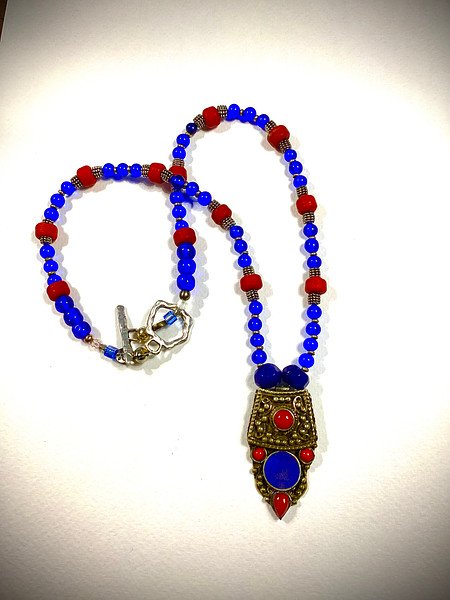
Blue always finds a way to feel effortless. A blue stone jewelry necklace adds depth without making your outfit feel overdone. There’s a calm to it, a kind of visual balance that sits well against almost anything.
From soft aquamarine tones to deep sapphire and moody lapis, blue stones cover more ground than most people realize. The shade changes everything. And knowing which blue works for which occasion is where the real styling potential lives.
Blue Stone Jewelry Necklace: What Shade Are You Working With?
Blue is a spectrum, not a single note. Soft, pale tones like aquamarine or blue topaz read light and airy; they work beautifully for spring and summer styling, beach events, and any look where you want color without weight. Mid-range blues like turquoise or blue chalcedony have a rich, earthy presence that gives warm and grounded energy. Deep blues, sapphire, lapis lazuli, and London blue topaz are bold, strong, and feel more formal without trying.
Knowing your stone’s specific tone tells you exactly how to wear it. A blue stone jewelry necklace with a deep sapphire pendant against a white linen top is a clean, strong look. That same pendant against a cobalt blue dress creates too much competition. Contrast is usually the key.
Necklace with a Blue Stone: Pairing by Season
Spring is a great time for lighter blue stones. Aquamarine or pale blue chalcedony against floral prints, cream separates, or light grey pieces looks fresh when put-together. The tone is soft enough to blend without disappearing.
Turquoise is totally made for the summer season. There’s a reason it shows up everywhere in warm-weather jewelry, against sun-tanned skin, white fabrics, or warm coral tones, turquoise has a visual pop that no other stone quite matches. A simple turquoise pendant completes a summer look on its own.
Fall and winter are when deeper blues come in. London blue topaz, lapis lazuli, and dark sapphire tones sit beautifully against burgundy, charcoal, camel, and forest green. The richness of the stone adds depth to an already layered palette.
Blue Stone in Jewelry: Office, Event, and Off-Duty Styling
For office wear, blue stone in jewelry gives a professional look without being flashy. A single sapphire or blue topaz pendant in a minimal setting is clean and refined. It adds color without pulling too much attention.
For events, a bolder piece, a large lapis lazuli drop or a layered sapphire statement necklace can anchor a solid-color dress without any other jewelry needed. Let the stone be the focal point and keep everything else simple.
For off-duty or weekend looks, turquoise, sodalite, and labradorite work well layered with casual pieces. A casual linen shirt, a denim jacket, or simple cotton separates all give blue stones the right kind of breathing room.
Blue Stones: Metal Settings and Contrast
The metal you choose changes how the blue stones look. White gold and silver create a cool, crisp contrast that makes lighter blues feel clean and modern. Yellow gold brings warmth and richness to mid-range blues like turquoise and blue chalcedony; the contrast between the warm metal and the cool stone is genuinely striking. Rose gold softens everything and works particularly well with pale aquamarine or muted teal tones.
Mixing blues is also a real option if done carefully. Layering a short turquoise pendant with a longer lapis strand creates a tonal palette that feels curated rather than random.
The key is keeping the metal tone consistent.
FAQs
What is the blue stone called in jewelry?
Common blue stones include sapphire, blue topaz, aquamarine, turquoise, lapis lazuli, tanzanite, and labradorite. Each has a different tone, durability, and price range.
What outfits pair best with a blue stone necklace?
White, cream, and neutral outfits create a strong contrast. Earth tones like camel and rust pair naturally with turquoise. Dark outfits like navy or black let deeper blue stones really stand out.
Is sapphire a good everyday stone for a necklace?
Yes. Sapphire ranks 9 on the Mohs scale, making it extremely durable. A simple sapphire pendant is one of the most wearable stones for daily use.
What’s the difference between aquamarine and blue topaz?
Aquamarine tends to have a softer, greener-blue tone and is generally higher in value. Blue topaz is usually heat-treated to achieve its color and comes in a broader range of shades at more accessible price points.
Can you layer blue stone necklaces?
Yes, but keep the tones cohesive. Mixing a pale blue and a deeper blue can work well. Mixing highly different shades, say, turquoise and dark sapphire, usually creates too much visual tension.